
The Anatomy of a Modern B2B Casino Platform: Core Components
A modern B2B casino platform isn't just a website. It's a complex engine with three essential parts. You need a robust backend for user management, payments, and compliance. You need a content library fed by multiple slot game providers. Finally, you require a flexible front-end for a smooth player journey.
From my testing, the backend's reliability dictates everything. A single crash during a major tournament can cost operators tens of thousands in lost revenue. That’s why enterprise-grade solutions from providers like EveryMatrix or Playtech often start at $100,000 for a full deployment. The front-end and game integrations, often sourced from specialized casino software providers, are layered on top of this critical foundation. For a comprehensive and unified gaming platform that streamlines this complex integration process, many operators now explore solutions available at https://turnkeycasino.cz/. This particular B2B gaming solutions provider aggregates top-tier content and essential management tools, effectively simplifying the technical hurdles for new and established online casino operators alike.
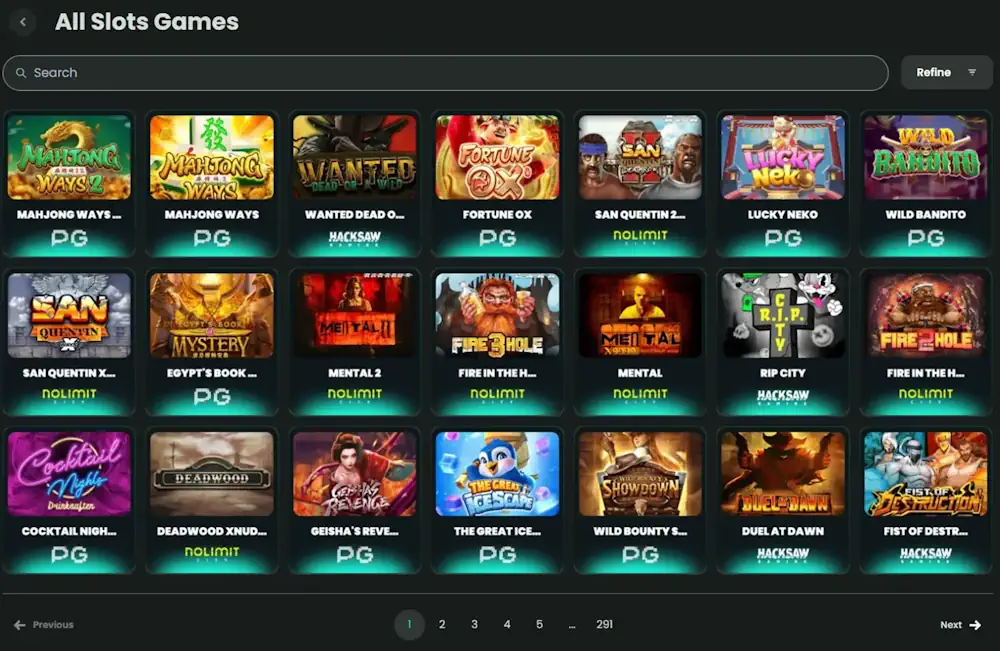
Casino Software & Slot Providers: Powering the Game Library
Choosing slot providers defines your brand's flavor. My advice is to build a portfolio from these top-tier studios:
- NetEnt and Play'n GO for high-volatility, premium branded slots.
- Pragmatic Play for its relentless output of 8-10 new games monthly.
- Big Time Gaming or Relax Gaming for innovative mechanics like Megaways.
- Red Tiger for its daily drop jackpot network, keeping players hooked.
I learned the hard way that content deals are revenue share-based, typically 25-40% of the game's net win. A platform needs a minimum of 1,500 games from at least a dozen providers to be competitive today. You can't rely on a single vendor; player tastes shift monthly.
Integrating a Casino Aggregator for Unified Content
Aggregators like FSB or Digitain simplify connecting to dozens of providers. They offer a single API, one reporting dashboard, and consolidated settlements. This table compares three leading solutions.
| Brand | Key Spec | Price Range | My Verdict |
|---|---|---|---|
| SoftSwiss | Over 9,000 games, strong crypto focus | Setup fee from €20k | Best for crypto-native brands. |
| NuxGame | Fast integration, 8,000+ games | Monthly % of GGR | Good for quick market entry. |
| BetConstruct | Full suite, sportsbook included | Custom enterprise quote | Overkill for a pure casino play. |
My experience with aggregators is they add a 5-15% fee on top of the game provider's share. However, the time-to-market savings can be massive, reducing integration work from months to weeks. For a new operator, this trade-off is almost always worth it.
Multi-Vendor Solutions: Building a Diverse Casino Ecosystem
The best platforms aren't monoliths. They're curated marketplaces. I'd combine a primary igaming software solutions provider like Playtech for its strong backend with a casino aggregator platform for fresh content. This approach prevents vendor lock-in, a costly mistake I've seen new operators make.
You keep your core management system stable while constantly testing new slot game providers. The technical challenge is unifying player wallets and bonus mechanics across all vendors. A well-architected multi-vendor casino platform can increase player lifetime value by up to 30% through sheer variety. That diversity is your main competitive edge.
Essential Features for Casino Operators & Gaming Platforms
Beyond games, operators need tools for control and insight. A robust casino management software dashboard must handle KYC, bonus assignment, and payment reconciliation in real time. Fraud detection tools like Sigma from FSB or in-house systems are non-negotiable now.
The most profitable casino operators I've worked with spend more time analyzing their CRM data than they do negotiating game deals.
Features like personalized bonus triggers, VIP tier management, and detailed session analytics are what separate profitable platforms from the rest. Expect to budget at least $50,000 annually for advanced analytics and CRM modules alone. This is the brain of your operation.
Tournament & Gaming Mechanics: Engaging Players Long-Term
Effective tournaments need clear mechanics. I've seen these work best:
- Time-limited weekend slots races with a €5,000 prize pool.
- Loss-back leaderboards that reward total wagered, not just wins.
- Branded missions, like "Spin 50 rounds on NetEnt games".
- PvP (Player vs. Player) tables in live casino games.
- Simple daily prize drops for logging in.
- Community jackpots that grow with total player deposits.
The trick is mixing low-skill and high-skill events. Casual players love simple lotteries, while high rollers chase prestige. Platforms with dedicated casino tournament software report a 40% increase in daily active users during events. You must automate prize distribution to be credible.
Comparing Top Casino Software Vendors & Solutions
Vendor choice sets your platform's trajectory for years. Your decision hinges on scale, budget, and desired control. I've benchmarked the major B2B gaming solutions providers on key criteria for a mid-sized operator.
| Provider | Game Count | Initial Cost | Best For |
|---|---|---|---|
| Playtech | 2,500+ | €250k+ | Large, established brands. |
| EveryMatrix | 8,000+ | €100k+ | Scalable, modular growth. |
| Pragmatic Solutions | 3,000+ | €75k+ | Slots-first, rapid deployment. |
| White-label from NuxGame | 8,000+ | €15k setup | Fast, low-budget start. |
Card Games & Live Casino Elements in an Online Platform
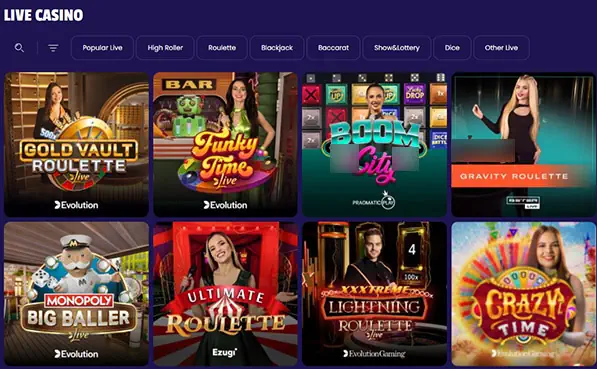
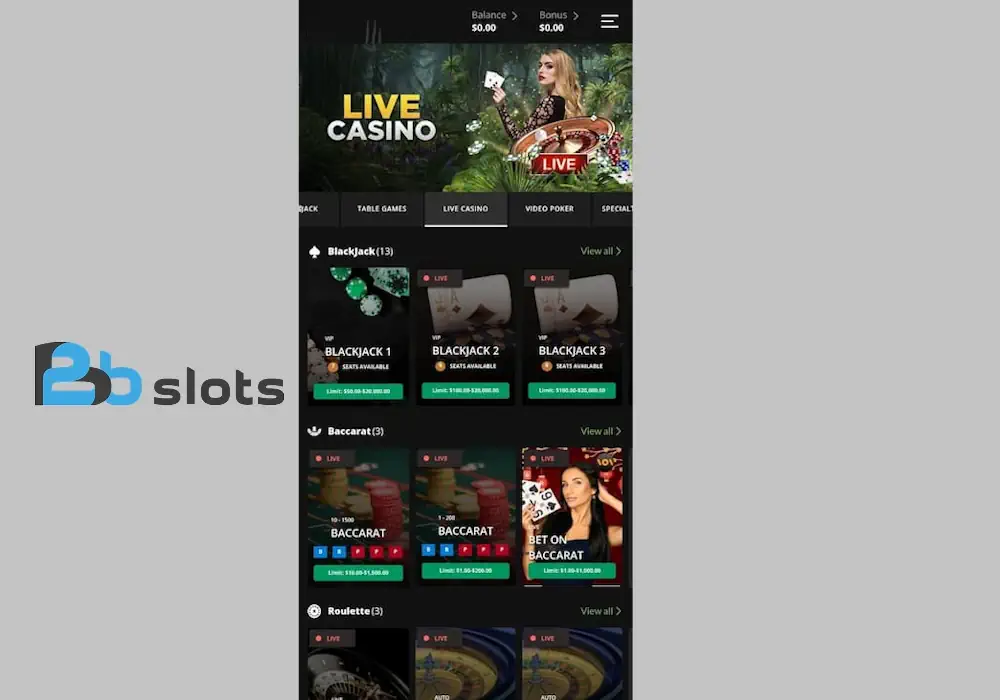
Live dealer studios and classic card game software for casinos are your retention engines. Tables for blackjack, baccarat, and roulette from Evolution or Pragmatic Play Live keep high rollers engaged for hours. I always allocate a separate budget for these studios.
Their technical requirements are higher, needing stable video streams and dedicated dealers. A single Evolution Gold Series roulette table can generate over €100,000 in monthly revenue for a successful operator. Never treat live casino as an afterthought; it's a primary revenue driver.
Future-Proofing Your Platform with Advanced Gaming Tech
Tomorrow's winners are investing now. I'm testing VR slots prototypes and blockchain-based provably fair table games. These are niche today but signal where the market is heading. More immediately, AI-driven personalization is already a must-have.
Systems that predict when a player is about to churn and serve a tailored bonus are game-changers. My projection is that platforms without integrated AI optimization will see a 15-20% decline in profitability within three years. Your tech stack must be modular to adopt these advances.
FAQ
What are the core components of a B2B casino platform?
You need three parts: a reliable backend for payments and management, a diverse game library from multiple providers, and a flexible front-end for the player. The backend is most critical, with enterprise solutions starting around $100,000.
Should I integrate game providers directly or use an aggregator?
For a new operator, an aggregator is almost always better. It reduces integration from months to weeks, despite adding a 5-15% fee. The time-to-market savings are a crucial advantage.
How many games do I need to be competitive?
A competitive platform today requires a minimum of 1,500 games from at least a dozen different slot providers. Relying on one or two vendors is a mistake, as player tastes shift constantly.
Are live casino tables worth the investment?
Absolutely. Live casino is a primary retention tool. A single high-end roulette table from a top provider can generate over €100,000 in monthly revenue.
What's the real cost of a casino software vendor?
The initial setup fee is just the start, often less than 20% of the total 3-year cost. Ongoing licensing, content fees, and maintenance make up the bulk of your long-term budget.
Can tournaments actually boost player engagement?
Yes, effectively. Platforms with dedicated tournament software report a 40% increase in daily active users during events. Mix casual prize drops with high-stakes leaderboards.
